The CE marking for lifting accessories requires that they meet the safety requirements established by the European Union (EU). The CE marking is not granted by a government agency; rather, it is the responsibility of the manufacturer or importer. Manufacturers of lifting accessories must comply with EU Directive 2006/42/EC on machinery and the applicable standards.
General requirements for the CE marking of lifting accessories
- Essential safety requirements: Lifting accessories must meet the essential requirements for the safety of machinery. These requirements relate, for example, to design, manufacture, operating instructions, markings, safety measures, and risk reduction.
- Risk Assessment: The manufacturer of a lifting accessory must conduct a risk assessment to identify potential hazardous situations and evaluate the risks associated with them. Risk control measures must be implemented during the design, manufacture, and use of the device.
- Instructions for use: the lifting accessory must have clear and understandable instructions for use, including safety instructions, operating restrictions and maintenance instructions.
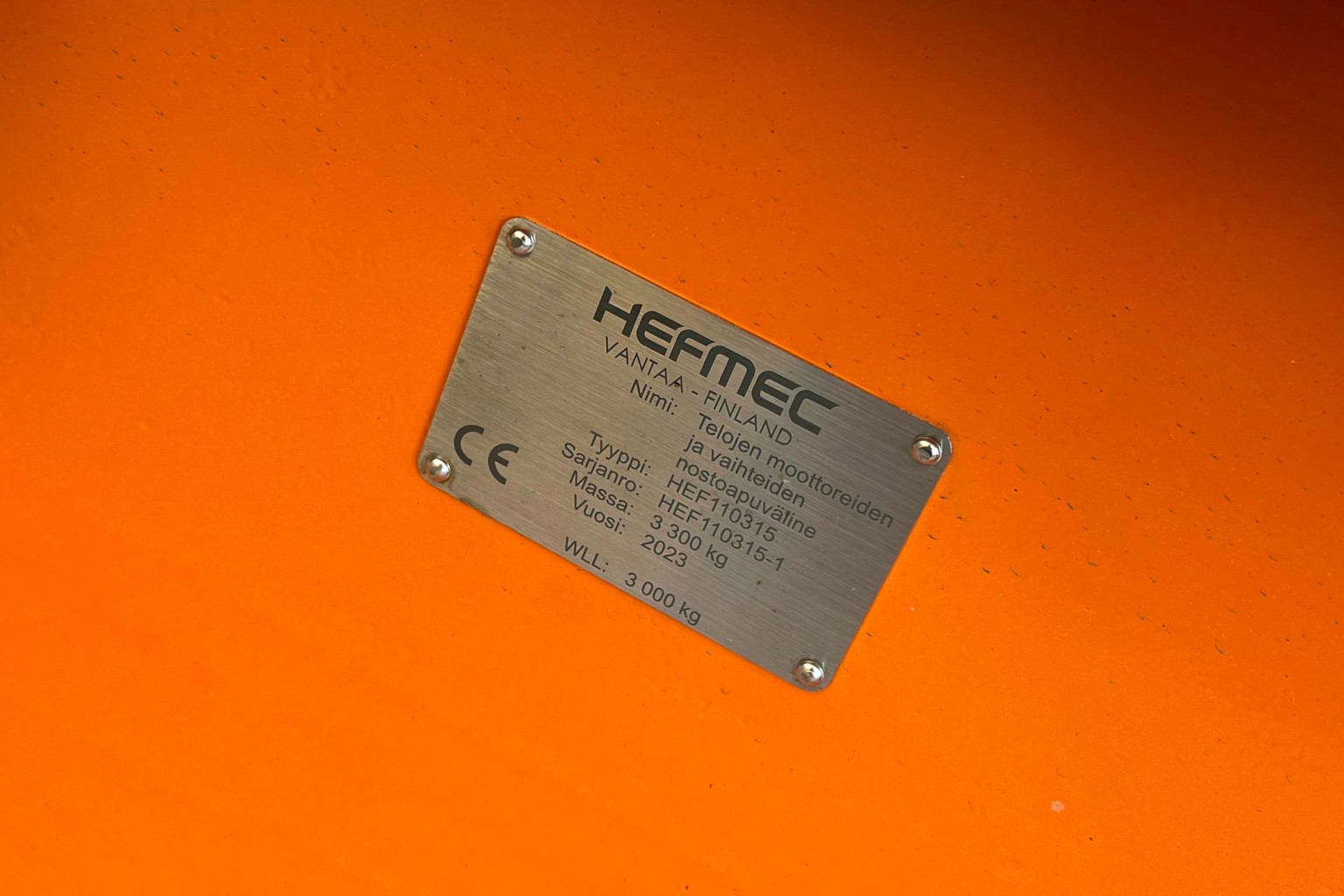
- Markings: the lifting accessory must bear the CE marking and other necessary markings, such as the name and address of the manufacturer, serial number, maximum load, etc.
- Declaration of conformity: the manufacturer of the lifting accessory must declare that the lifting accessory has been designed and manufactured in accordance with the applicable directives, standards and technical requirements.
What is the difference between a lifting accessory and a special lifting accessory?
Lifting accessories are common and widely used lifting devices. Typical lifting accessories include lifting shackles, lifting chains, lifting slings, and various types of bolt-on lifting points.
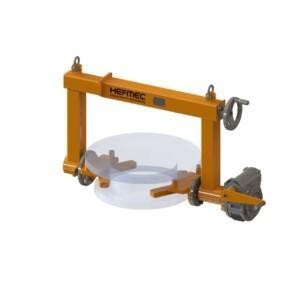
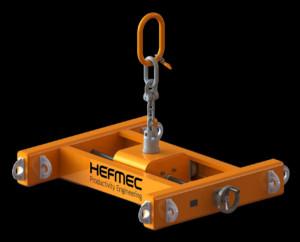
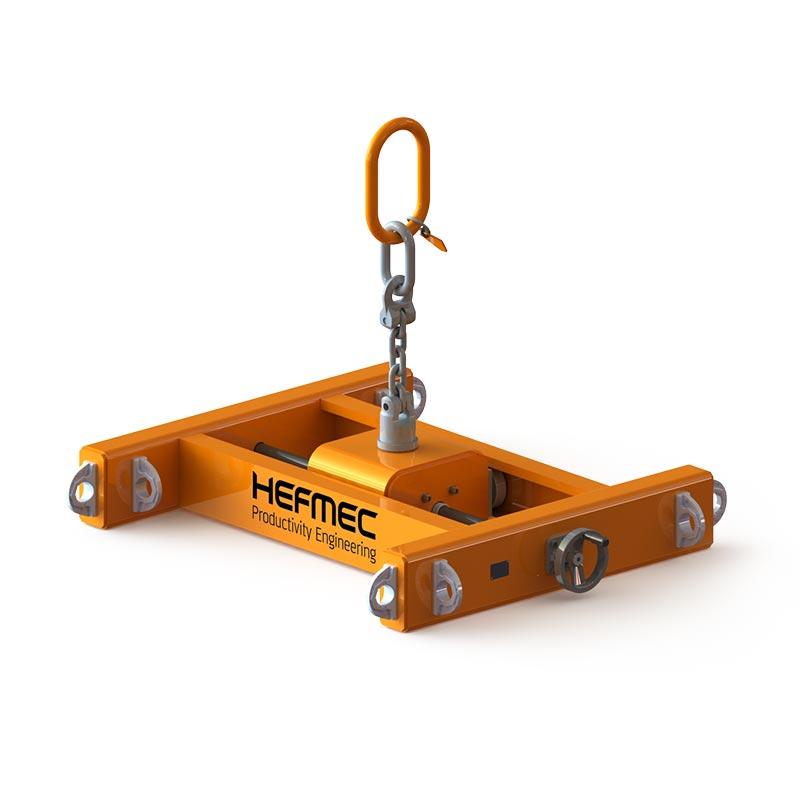
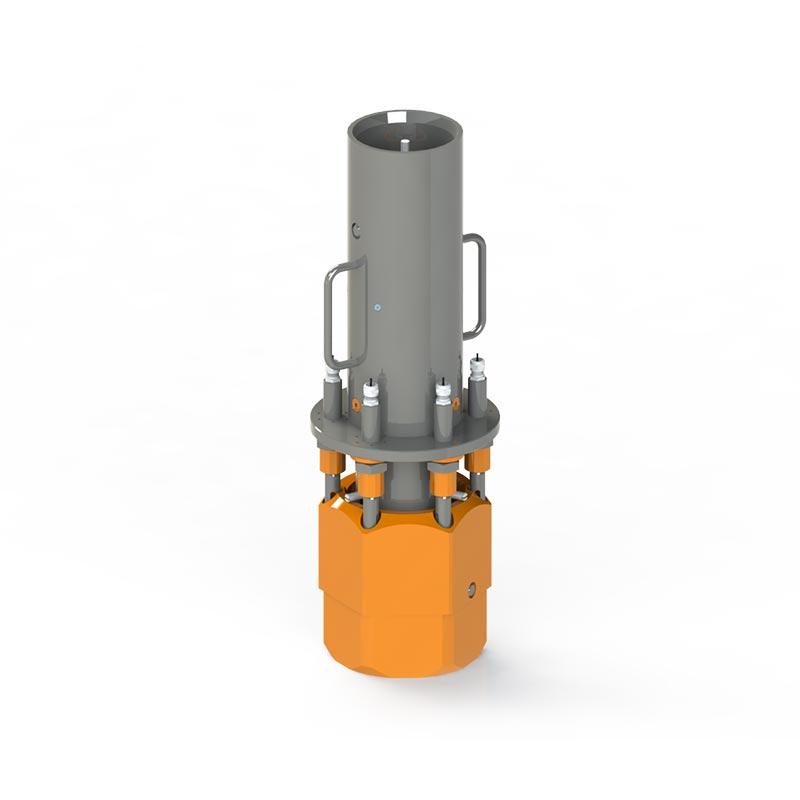
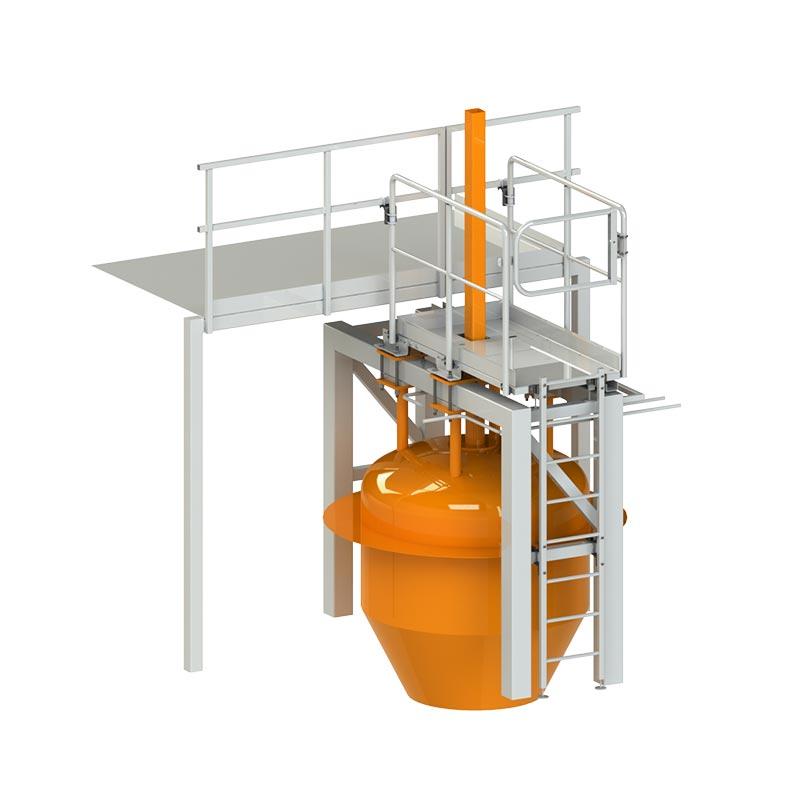
Specialized lifting aids are lifting devices specifically designed for use in special situations or for various types of lifting tasks. Examples of special lifting accessories include lifting frames, grippers, scissor lifting clamps, and lifting beams with custom-designed lifting points. You can find more examples on our lifting accessories page.
The CE marking of special lifting accessories is subject to the same requirements as for general lifting accessories, but also takes into account special features and specific risks.
Design and CE documentation of a special lifting accessory
A design project for a special lifting accessory typically involves familiarizing oneself with the site and requirements, developing a lifting method, modeling the lifting accessory, and performing structural analysis. In some cases, structural analysis is replaced by load testing.
The technical documentation of a CE marked special lifting accessory shall include:
- An overview of the destination,
- technical drawings,
The author of the documentation is responsible for ensuring that the technical file complies with the requirements of the directives and standards. If you order only the design of the lifting accessory and the CE documentation, the manufacturer of the accessory is responsible for ensuring that the accessory is manufactured in accordance with the requirements of the technical file.
Manufacture of special lifting accessories
The manufacturer or the party commissioning the manufacture is responsible for the device’s conformity with the requirements and affixes its own CE marking to the device as proof of this. When Hefmec manufactures and delivers a lifting accessory, Hefmec is responsible for ensuring that the device is manufactured in accordance with the requirements of the technical file and for delivering the device with the CE marking.
CE documentation of an existing special lifting accessory
A documentation project for a special lifting accessory typically involves familiarizing oneself with the site and requirements, modeling the lifting accessory, and performing structural analyses so that the appropriate CE documentation can be prepared. In some cases, structural analysis is replaced by load testing.
Typically, new CE documentation is prepared for a lifting accessory when there is a desire to change its intended use or to increase its maximum load (WLL / Working Load Limit). In these cases as well, the person preparing the documentation is responsible for ensuring that the new technical file complies with the requirements of the current directives and standards, but the manufacturer or contractor is responsible for the device’s conformity and affixes its own CE mark to the device as proof of this.
Do you have any questions?
For any questions regarding the CE marking, please contact Petja Lindström directly at +358 40 740 4771.