Structural analysis is a central part of engineering and mechanical design. It is a method used to determine the ability of structures, components, and materials to withstand external loads without sustaining damage. Hefmec’s experts ensure that structural analysis is used to predict and guarantee the safety and durability of products throughout their service life.
Structural analysis is an important part of the product development process, as it helps identify potential weaknesses during the design phase, thereby saving time and resources in the long run. In this article, we’ll go over the basics of structural analysis and its importance in industry.
Principles of Structural Analysis
At the heart of structural analysis is an understanding of the mechanical properties of materials and structures. This includes knowledge of how materials behave under various conditions, such as pressure, temperature, and impact. The calculations also take into account the effects of fatigue and wear during long-term use.
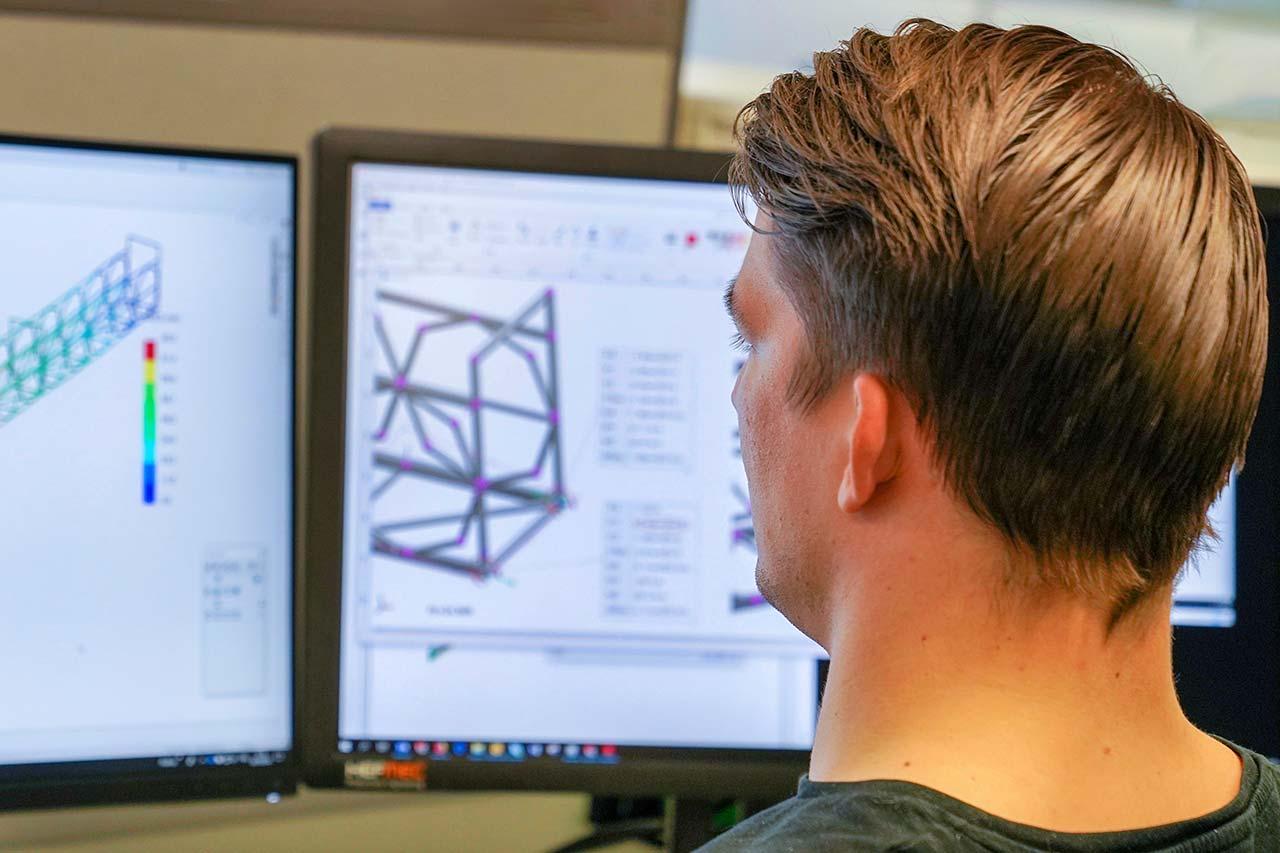
Structural analysis is based on mathematical models and theories, such as the theory of elasticity and the theory of plasticity. These models help predict how structures will respond to loads and to what extent they may deform or fail. Computer-aided design (CAD) and the finite element method (FEM) are also used in these calculations, enabling the analysis of complex structures.
Applications of Structural Analysis
Structural analysis is used in many industries, such as mechanical engineering, the construction industry, the automotive industry, and aviation. It is an essential tool in the design of bridges, buildings, vehicles, and other structures that are constantly subjected to various loads.
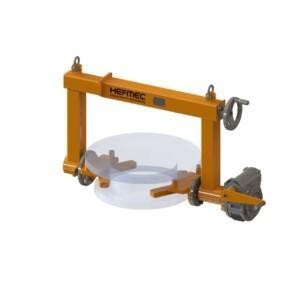
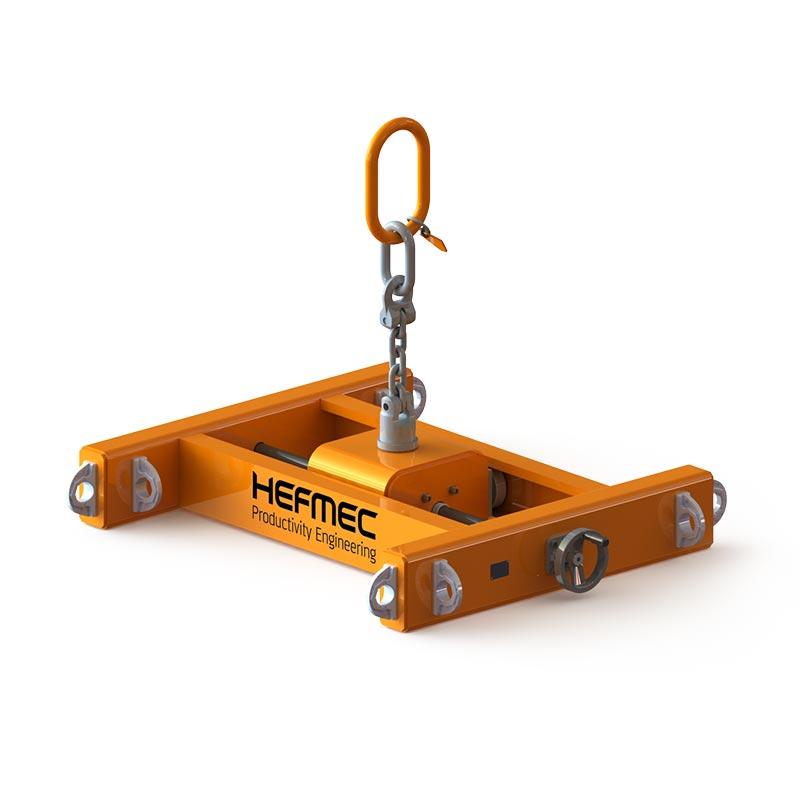
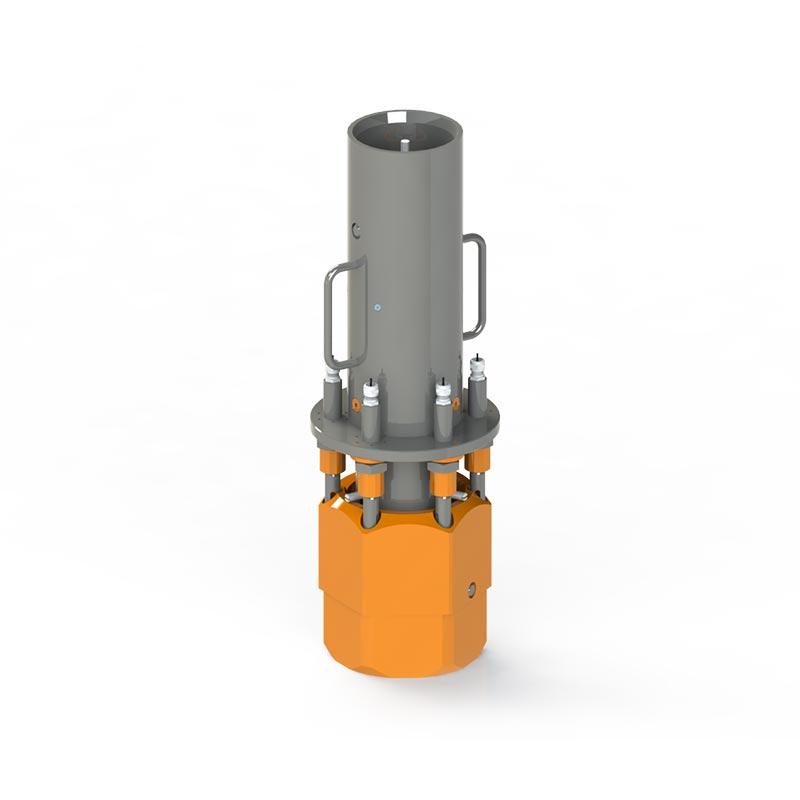
For example, when designing lifting accessories, care is taken to ensure that the equipment can safely withstand heavy loads. Calculations help determine the correct materials and structures so that lifting accessories meet the required safety standards and withstand long-term use without damage. This helps avoid risks during loading and ensures the safety of workers.
In the automotive industry, on the other hand, these calculations are used to ensure that vehicles can withstand collisions and other extreme conditions without compromising passenger safety.
Benefits of Structural Analysis
Structural analysis can be used to improve product quality and reliability. The structure is optimized so that it can withstand the required loads and environmental conditions while using as little material as possible. This enables the design of lighter, more cost-effective, and more environmentally sustainable products without compromising the structure’s safety or service life. In addition, structural analysis enables a more efficient use of materials and resources, which is both economically and environmentally sustainable.
Structural analysis can also be used to optimize product weight, which is particularly important, for example, in tools, where light weight is key to usability.
WHERE DO WE USE STRUCURAL ANALYSIS?
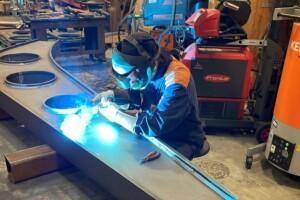
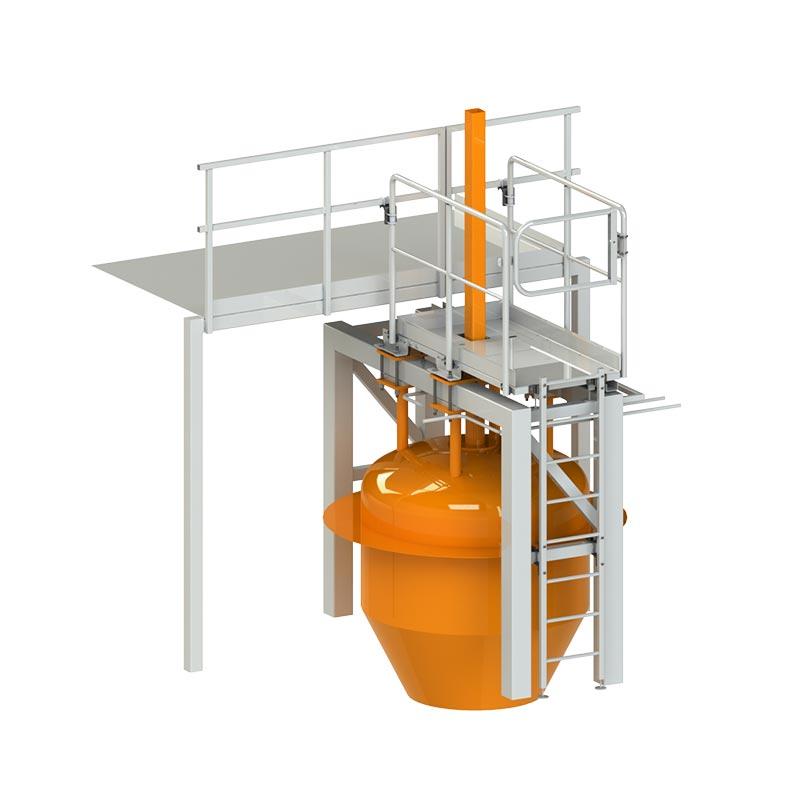
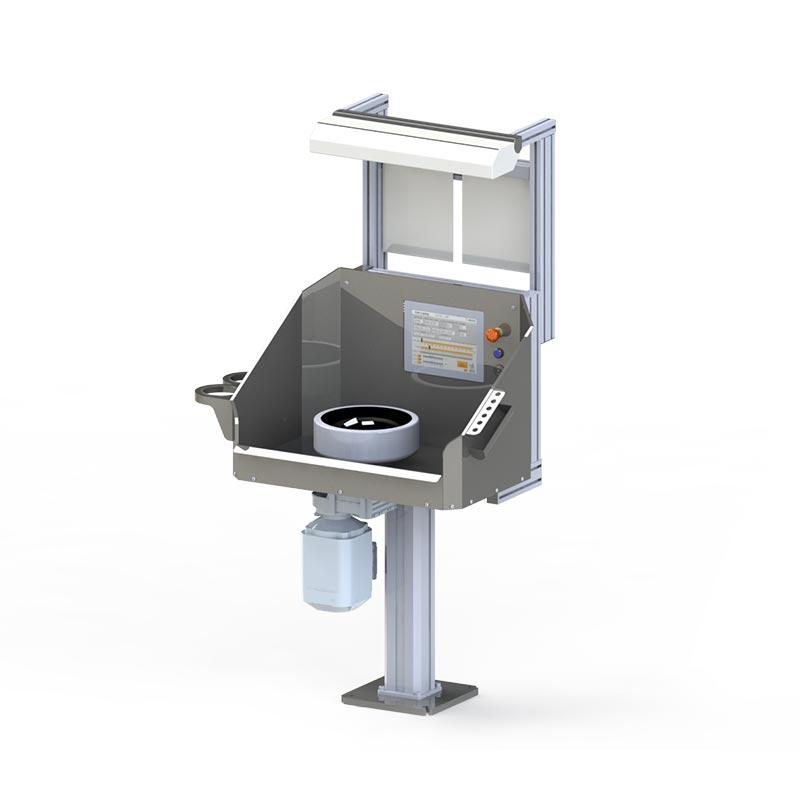
We design and optimize steel structures, machine components, and tools, ensuring their safety and cost-effectiveness through structural analysis. This ensures that our customers receive products that can withstand the loads and environmental conditions they face.
Our products are designed and tested to last a long time. Through structural analysis, we ensure that our products meet the required safety standards and reduce repair costs.
Hefmec’s Expert Services
Hefmec offers expert services outside the strength calculator to help companies achieve the highest standards in the design and implementation of their products. Our experienced engineers use the latest technology and methods to ensure that our clients’ projects meet all the required strength requirements.
We understand that every project is unique, which is why we offer customized services tailored specifically to your needs.
Read more here about our structural analysis services, or feel free to contact Aki Jalonen right away!